What this experience covers
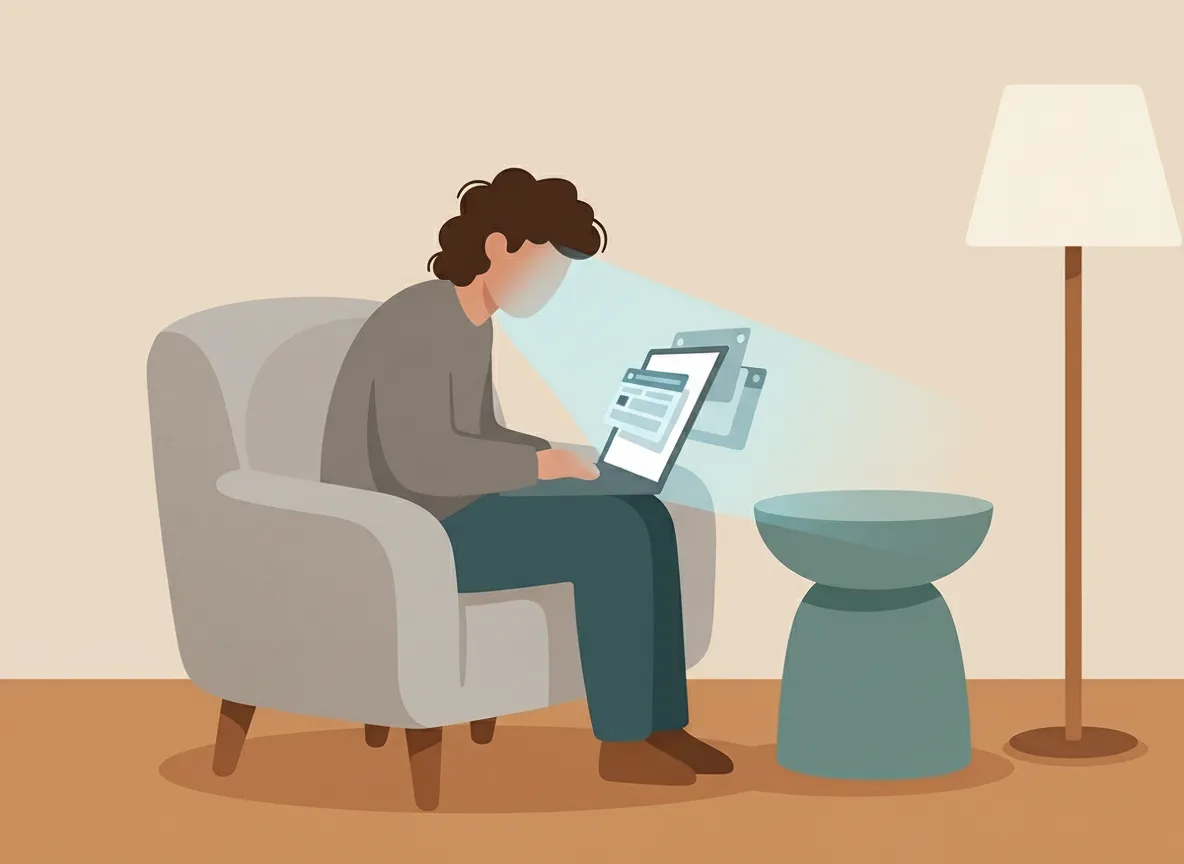
For many people with colorectal conditions, anonymous online forums are the first place they find others who understand. This experience covers the role these communities play — the comfort they provide, the information they share, and the important limitations to be aware of.
The pattern
The discovery
People describe finding forums during their most anxious moments — often late at night, searching symptoms. The discovery that others have the same condition, and are willing to talk about it openly, is consistently described as a turning point.
What forums provide
- Normalisation: “I’m not the only one.” This is the most commonly described benefit
- Practical information: tips, strategies, and real experiences that clinical sources do not cover
- Emotional support: a space where embarrassment is absent and understanding is immediate
- Continuity: following someone’s journey over weeks or months provides a sense of connection
The risks
- Medical misinformation: advice from other patients may be inaccurate or inappropriate
- Anxiety spiralling: reading worst-case stories can increase fear
- Comparison: other people’s timelines are not your timeline
- Unverified information: recommendations for products or treatments that may not be appropriate
The healthy approach
People who describe the most positive experiences with forums:
- Use them for emotional support and practical tips, not for medical decisions
- Recognise that every person’s condition is different
- Discuss anything they learn with their clinician before acting on it
- Limit time on forums when they notice anxiety increasing
- Give back by sharing their own experience to help others
What people wish they had known
That forums are a supplement to medical care, not a replacement. The validation and community they provide is genuinely valuable, but the medical decisions should be made with a clinician who knows your specific situation.
If something about your experience does not feel right, or you just want reassurance about what is normal, our chat can help you think it through.
When to contact your doctor
Seek medical attention rather than relying on forum advice if you experience:
- New or worsening symptoms
- Significant bleeding or pain
- Symptoms that do not match anything you are reading
- Anxiety about your condition that is becoming unmanageable