What this experience covers
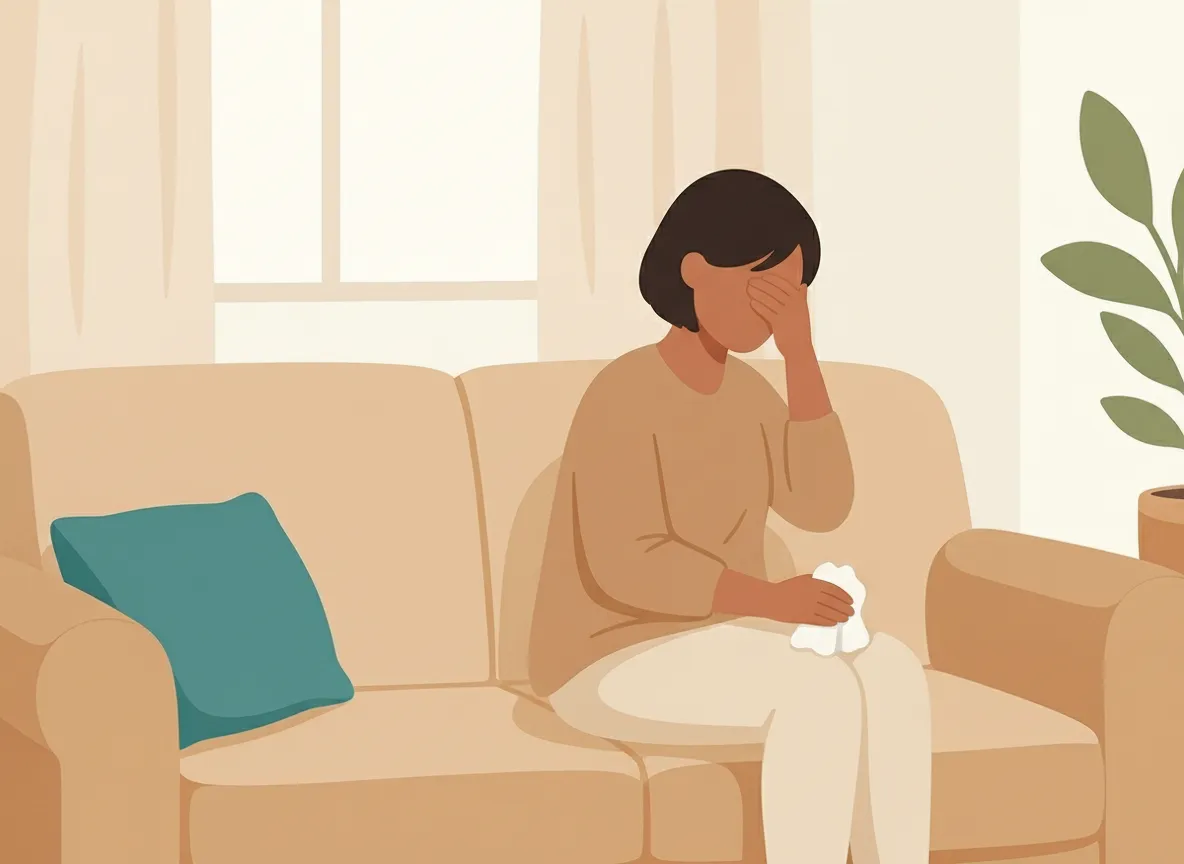
This experience covers the intersection of chronic anal fissure and depression — how persistent pain, the private nature of the condition, and the impact on daily life contribute to mental health difficulties. It is one of the most commonly discussed but least openly acknowledged aspects of fissure experience.
The pattern
How it develops
The connection between chronic fissure and depression follows a recognisable path:
- Pain dominates daily life — bowel movements become dreaded, routines reshape around pain avoidance
- Social withdrawal — declining invitations, avoiding activities, cancelling plans
- Sleep disruption — pain or anxiety about the next bowel movement affecting rest
- Food anxiety — eating becomes associated with future pain, leading to restrictive or fearful eating patterns
- Isolation — the condition feels impossible to talk about, cutting people off from support
- Loss of identity — “I used to be someone who did things; now I’m someone who manages pain”
What people describe
The emotional descriptions are strikingly consistent:
- “I wake up dreading the day”
- “I’ve lost interest in things I used to enjoy”
- “I feel like this will never end”
- “I’m angry at my body for not healing”
- “Nobody understands what this is like”
These are not dramatic statements — they are proportionate responses to chronic pain combined with isolation and loss of normal function.
What helps
People describe several things that made a meaningful difference:
- Telling one trusted person about the condition — breaking the isolation
- Treating the mental health alongside the physical — speaking to a GP about mood
- Finding community — others who understood the experience
- Active treatment of the fissure — having a plan and a clinician working with them
- Small acts of reclaiming normality — going for a walk, seeing a friend, cooking a meal
What people wish they had known
That depression in the context of chronic pain is a medical condition, not weakness. It deserves treatment alongside the fissure, not dismissal.
If you are struggling with your mental health, please reach out to your GP or contact a helpline. You deserve support.
When to seek help
Seek support if you experience:
- Persistent low mood lasting more than two weeks
- Loss of interest or pleasure in activities
- Changes in sleep or appetite
- Feelings of hopelessness or worthlessness
- Thoughts of self-harm — please contact your GP, 116 123 (Samaritans), or go to A&E immediately