What this experience covers
A composite picture of how people commonly describe living with proctalgia fugax — intense, brief episodes of rectal pain that often strike at night with no structural cause. This is drawn from multiple anonymized experiences and represents common patterns, not any single person’s story.
Common elements: being woken by severe rectal pain, episodes lasting seconds to minutes, pain vanishing completely, repeated episodes over time, medical workup finding nothing wrong, and the challenge of coping with something unpredictable and unexplained.
The pattern
The first episode
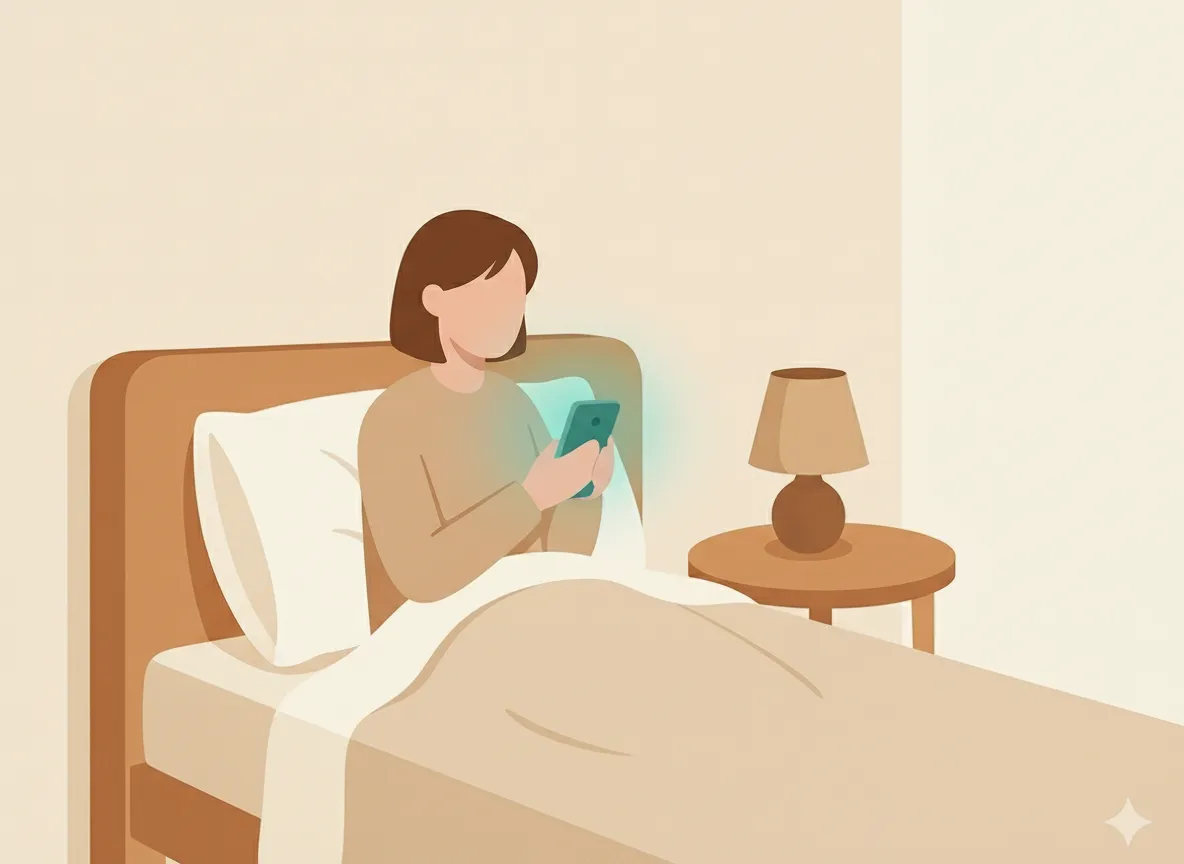
People almost universally describe the first episode as terrifying. They are woken from sleep by an intense, cramping or stabbing pain deep in the rectum. It comes on suddenly, with no warning, and the pain is severe enough that many consider calling for emergency help.
What the first episode commonly looks like:
- Woken from sleep by sharp, deep rectal pain
- Pain described as cramping, spasming, or a stabbing sensation
- Lasts anywhere from 30 seconds to 20 minutes
- Disappears completely, as if nothing happened
- A feeling of disbelief and confusion afterwards
The repeat episodes
For many people, the second episode comes days, weeks, or even months later. The unpredictability is a defining feature. Over time, people notice patterns — episodes tend to happen at night, sometimes cluster during stressful periods, and occasionally follow certain foods or activities.
Common observations:
- Episodes are almost always at night or in the early morning hours
- The frequency varies — some people have one a month, others several per week during a bad stretch
- Between episodes, there is absolutely no pain or symptoms
- The intensity is consistent — it does not gradually worsen over time
The medical workup
Most people eventually see a doctor, often after the second or third episode. The workup typically includes a physical examination and sometimes imaging or other tests. The result is almost always the same: nothing structural is found.
What people commonly experience:
- Difficulty describing the episodes because they are symptom-free at the appointment
- Being told the condition is benign and self-limiting
- A mix of relief and frustration — nothing is wrong, but the pain is very real
- Receiving a diagnosis of proctalgia fugax, which is essentially a name for the symptom pattern itself
Living with uncertainty
The long-term experience is one of coexistence rather than resolution. People learn to recognize what is happening when an episode strikes and develop coping strategies, even though they cannot prevent the episodes.
What helps people manage:
- Recognizing the pain for what it is and knowing it will pass
- Warm baths or applying warmth if the episode lasts long enough
- Slow breathing and conscious relaxation of the pelvic floor
- Accepting that not every medical condition has a clear cause or cure
- Keeping a note of episodes to discuss with a clinician if frequency changes