What this experience covers
This experience explores what persistent hemorrhoid-related itching is actually like to live with — the maddening persistence, the things people try, the moments when it takes over, and the strategies that eventually help. It is a composite drawn from many anonymised accounts and represents common patterns, not any single person’s story.
The pattern
Hemorrhoid itching tends to follow a distinctive cycle. It often starts mildly — a slight irritation after a bowel movement, or an awareness of the area at certain times of day. But for some people, it escalates into something that dominates their attention.
People describe the itching as different from itching elsewhere on the body. It sits in an area that is difficult to address discreetly. It is worse when sitting, worse at night, and has a quality of intensity that makes it genuinely difficult to ignore.
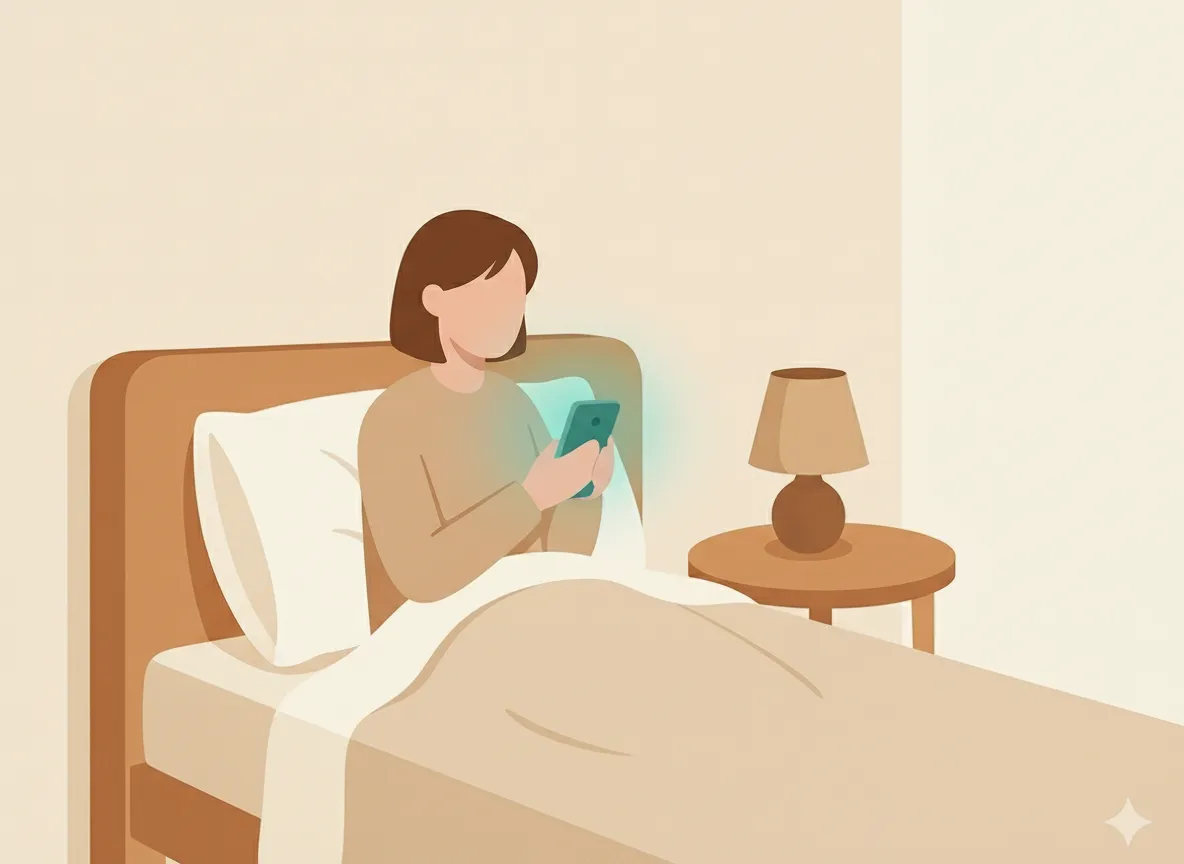
The most common pattern people describe is that the itching is worst in the evening and at night. Lying in bed, trying to fall asleep, is when many people find it most unbearable. The warmth of bedding, the stillness, and the lack of distraction all combine to make the sensation feel louder.
People describe trying everything — creams, ointments, cold packs, different underwear, dietary changes. The frustration is compounded by the difficulty of talking about it. This is not a symptom that comes up easily in conversation, even with a doctor.
What people wish they had known
The most consistent insight across these accounts is that scratching — even once — makes everything worse. The itch-scratch cycle around hemorrhoids is powerful, and many people describe a point where they realised that the itching was no longer being caused by the hemorrhoids alone, but by the damaged skin from scratching.
The second insight is that moisture management matters as much as any cream. Keeping the area clean and thoroughly dry after washing was described more often as a turning point than any specific product.
If the itching has become part of your daily life and you want to talk through what might help, our chat can help you think it through.
When to contact your doctor
Seek medical attention if you experience:
- Itching accompanied by bleeding, discharge, or new lumps
- Itching that does not improve after two to three weeks of consistent care
- Skin that is becoming raw, cracked, or showing signs of infection
- Any symptoms that concern you — persistent itching is worth discussing