What this experience covers
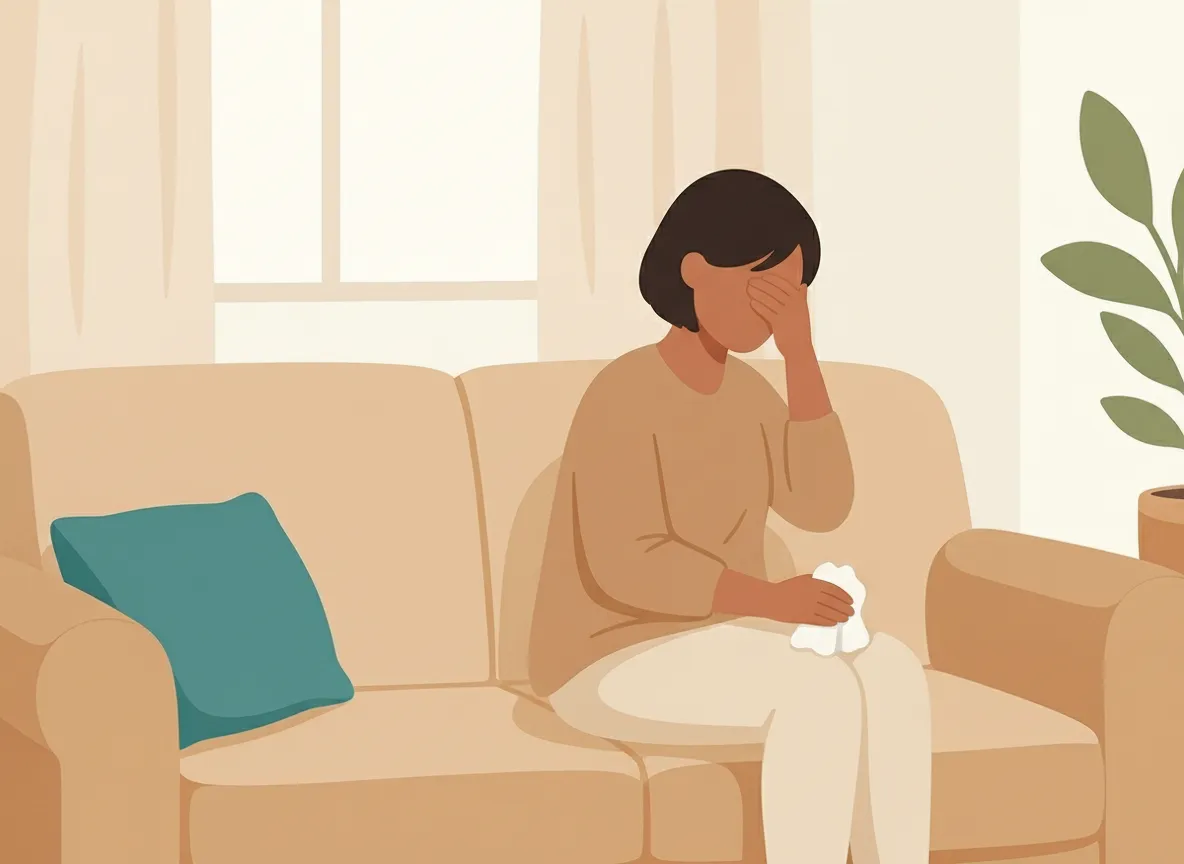
How people navigate the relational side of living with an anal fissure. This composite draws from anonymised accounts across forums and covers telling a partner, the impact on intimacy and sex, the isolation that comes from a condition you cannot easily explain, and the ways couples adapt. This is an emotional and relational piece, not a clinical one.
Common elements: the dread of “the conversation,” changes to physical intimacy, the gap between wanting closeness and fearing pain, withdrawal that partners misread, and the surprising relief that honesty often brings.
The pattern
The weight of not saying anything
Before the conversation happens, there is usually a period of hiding. People describe weeks or months of managing symptoms alone — applying medication in secret, making excuses for not wanting to be intimate, attributing mood changes to stress or tiredness.
The hiding itself becomes a source of strain. Partners notice the distance, the flinching, the unexplained absences. They draw their own conclusions. People describe partners wondering if there is someone else, if the relationship is ending, if they have done something wrong.
The irony is consistent: hiding the condition to protect the relationship is the thing that damages it most.
Having the conversation
When people do tell a partner, it rarely goes the way they feared.
People describe:
- Choosing a quiet, private moment — not during an argument, not in bed
- Starting with “I need to tell you about something I have been dealing with” rather than jumping straight to the anatomical detail
- Focusing on the impact — the pain, the anxiety, the lifestyle changes — rather than a clinical description
- Partners being confused but relieved that it is a medical issue and not a relationship problem
The most commonly reported partner response is some version of: “Why didn’t you tell me sooner?”
The intimacy question
This is the part people find hardest to talk about, even anonymously.
Fissures affect intimacy in ways that go beyond the physical. People describe:
- Avoiding all sexual contact, not just the activities that might directly affect the area
- Fear of arousal causing muscle tension or spasm
- Feeling unattractive, damaged, or broken
- Worrying that a partner will find the condition disgusting
- Missing physical closeness but being unable to explain why they are pulling away
For people whose intimacy included anal contact, the fissure introduces a specific and loaded conversation. Some people describe this as the hardest disclosure of all — explaining that an activity they previously enjoyed is now impossible, possibly permanently.
How couples adapt
People who describe navigating this successfully share common threads:
- Open communication about what is and is not possible on a given day
- Partners who ask “what do you need?” rather than assuming
- Finding ways to maintain physical closeness that do not involve pressure on the affected area
- Accepting that intimacy looks different for now, without treating it as a permanent loss
- Humour, sometimes — not at the condition’s expense, but at the absurdity of the situation
When a partner does not understand
Not every account is positive. Some people describe partners who minimise the condition, who are impatient with recovery timelines, or who treat the impact on intimacy as a personal rejection.
This is painful. And it is worth naming: a partner who cannot hold space for a medical condition that you did not choose is showing you something important about the relationship.
People in this situation describe feeling doubly isolated — dealing with the condition alone and dealing with the relationship strain alone.
When to contact your doctor
If pain, anxiety, or relationship distress related to your condition is affecting your daily life, that is reason enough to seek support. This might mean:
- Talking to your GP about the physical symptoms and treatment options
- Asking for a referral if you have been managing conservatively without improvement
- Speaking to a counsellor or therapist — individually or as a couple — if the emotional weight has become significant
- Seeking urgent care if you experience heavy bleeding, fever, or sudden severe pain
Everyone’s situation is different. If you want to talk through yours in a private, judgement-free space, our chat is here.