What this experience covers
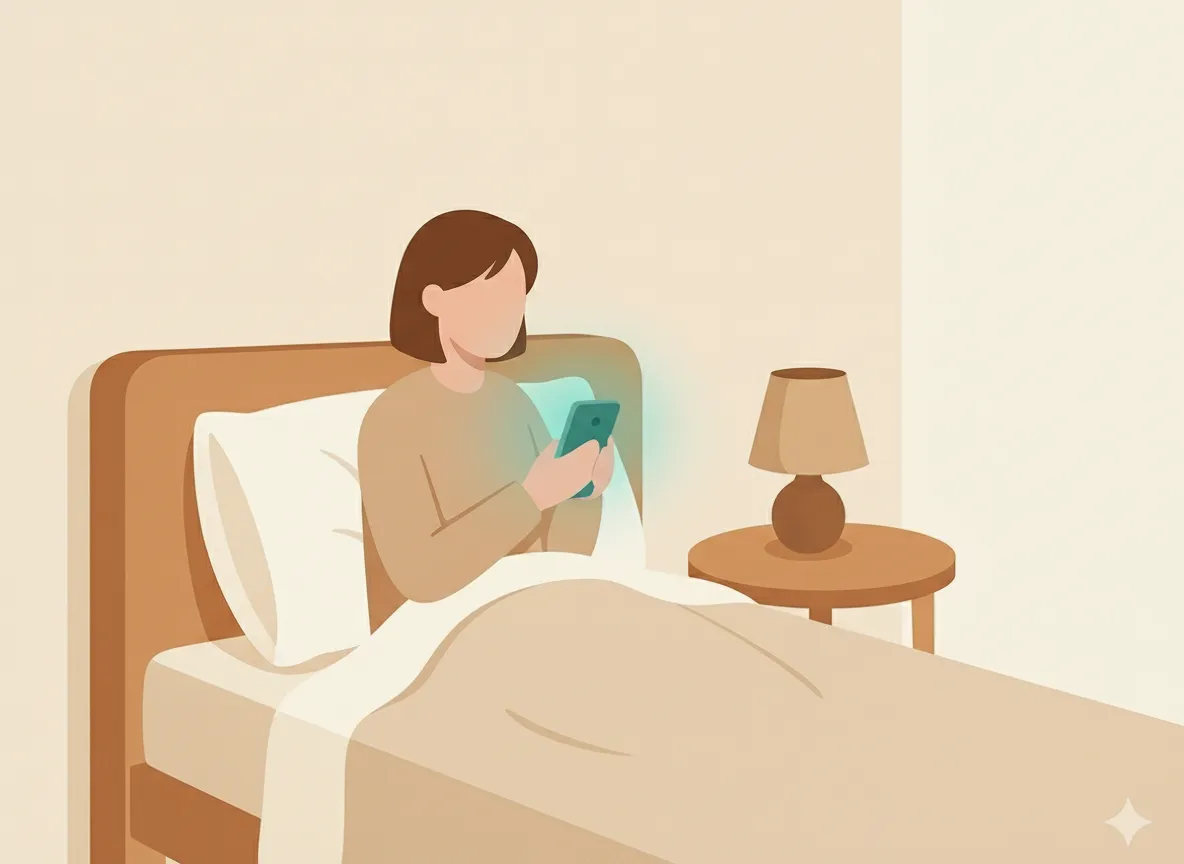
This experience focuses on the anxiety that surrounds bowel movements for people with anal fissures — the anticipatory dread, the physical tension it creates, and the way it can take over daily life. It is a companion piece to our fear of bowel movements experience, focusing more on the psychological and emotional dimensions.
The pattern
How anxiety differs from simple fear
Fear is the immediate response to pain. Anxiety is the ongoing state between episodes — the background hum of dread that colours the entire day. People with fissures describe not just fearing the bowel movement itself, but living in a state of heightened vigilance about everything connected to it.
- Monitoring every digestive sensation: “Is that a cramp? Am I going to need to go?”
- Analysing every meal: “Will this make it harder? Will this cause problems tomorrow?”
- Watching the clock: “It has been two days — the next one will be worse”
- Checking the body: “Is the pain coming back? Is the spasm starting?”
This constant monitoring is exhausting and self-reinforcing. The more you monitor, the more you notice. The more you notice, the more anxious you become.
The body-mind connection
Anxiety is not just a mental state — it has direct physical effects that worsen the fissure:
- Anxiety increases muscle tension, including the sphincter
- Increased sphincter tension makes bowel movements more painful
- More painful bowel movements increase anxiety
- Stress hormones can affect bowel function, altering frequency and consistency
People describe this as a loop they cannot escape from. The mind makes the body worse, and the body makes the mind worse.
What helps
People who describe managing this anxiety successfully identify common approaches:
- Stool management as anxiety management — softer stools mean less pain, which gives anxiety less fuel
- Routine and predictability — regular meal times, regular bathroom times, a known sequence of events
- Breathing exercises — not just during bowel movements but throughout the day
- Limiting health information consumption — stopping the cycle of searching, reading, and worrying
- Professional support — some people describe CBT or counselling as genuinely transformative
- Physical activity — gentle exercise helps reduce both anxiety and constipation
- Talking about it — the isolation of the condition amplifies the anxiety
When anxiety needs its own treatment
Some people reach a point where the anxiety is a problem in its own right, separate from the fissure pain. Signs that the anxiety may benefit from professional attention:
- It interferes with eating, sleeping, or going to work
- It persists even when the fissure is improving
- It generalises to other areas of life
- It feels disproportionate to the current level of pain
- It includes panic attacks or persistent intrusive thoughts
Seeking help for this is not weakness. It is treating a real consequence of a painful condition.
What people wish they had known
That anxiety about bowel movements is extremely common among people with fissures. It is not an overreaction. It is a predictable consequence of repeated pain. And it is treatable — both through managing the fissure and through addressing the anxiety directly.
When to contact your doctor
Seek medical attention if you experience:
- Anxiety severe enough to affect daily functioning
- Pain that is getting worse
- Bleeding that is heavy or increasing
- Any symptoms that concern you