Post-procedure recovery
Recovery is often the part no one prepares you for. Everything here is private, anonymous, and written by people who understand what the days and weeks after a procedure actually feel like.
At a glance
Recovery after colorectal procedures varies widely depending on the type of procedure, the individual, and how the body heals. Common concerns include managing pain, navigating the first bowel movements, wound care, and knowing what is normal versus what needs attention. We have dedicated recovery guides for specific procedures and experiences from people who have been through them.
Common symptoms people report
- Pain or discomfort during the first bowel movements after a procedure
- Swelling, bruising, or tenderness around the surgical area
- Light bleeding or spotting, especially in the first week
- Wound drainage that changes over time
- Difficulty finding a comfortable sitting position
- Anxiety about bowel movements or re-injury
Explore by symptom
Start from what you're feeling.
Guides
Changing a wound dressing at home
A practical guide to changing wound dressings at home after colorectal surgery — what to expect, how to prepare, and when to contact your surgical team.
Read guide →Pelvic floor and chronic anal pain
How pelvic floor dysfunction connects to chronic anal pain, fissures, and ongoing symptoms after healing — what people describe and what helps.
Read guide →Silver nitrate for wound overgrowth
How silver nitrate cautery is used to treat hypergranulation and wound overgrowth after anal surgery — what to expect and what people describe about the.
Read guide →Wound drainage after anal surgery
What normal wound drainage looks like after anal surgery — the types, the timeline, and when discharge signals a problem that needs attention.
Read guide →What people have been through
These are composite narratives drawn from multiple anonymized experiences. They represent common patterns, not any single person's story.

Antibiotics after anal surgery
When antibiotics are and are not needed after anal surgery — what people commonly experience, how to tell if infection is developing.
Read experience →
Bathing and showering after surgery
When and how people manage bathing, showering, and hygiene after anal surgery — from the first nervous shower to the sitz bath routine that helps healing.
Read experience →
Day case anal surgery: going home
What going home the same day after anal surgery is like — the journey, the first evening, and what people wish they had prepared.
Read experience →
Diet after anal surgery: week one
What people actually eat in the first week after anal surgery — the foods that help, the ones that cause problems.
Read experience → Driving after anal surgery
When people felt safe to drive after various anal surgeries — from the anaesthesia rules to the sitting tolerance test, drawn from many anonymised accounts.
Read experience → Exercise after anal surgery
How people return to exercise after anal surgery — a week-by-week picture of what activities feel manageable, what to avoid.
Read experience →
First bowel movement after surgery
Practical tips for managing the first bowel movement after anal surgery — preparation, what to expect, and how to make it as manageable as possible.
Read experience → Fistulotomy recovery: week by week
A composite experience of the weeks-long recovery from fistulotomy surgery — the open wound, the milestones.
Read experience →
Flying after anal surgery
When people feel ready to fly after anal surgery, how they manage the journey, and the practical tips that make air travel during recovery more comfortable.
Read experience →
General anaesthetic for anal surgery
What people describe about having general anaesthesia for anal surgery — preparation, the experience, and waking up.
Read experience → Granulation tissue after surgery
What granulation tissue looks like after anal surgery, why it forms, and when it is normal healing versus something that needs attention.
Read experience →
Hypergranulation after surgery
What hypergranulation tissue looks like after anal surgery, why it happens, and how people describe managing wound overgrowth during recovery.
Read experience →
Lifting restrictions after anal surgery
Why lifting is restricted after anal surgery, what counts as too heavy, and how people navigate daily life while protecting their healing wound.
Read experience →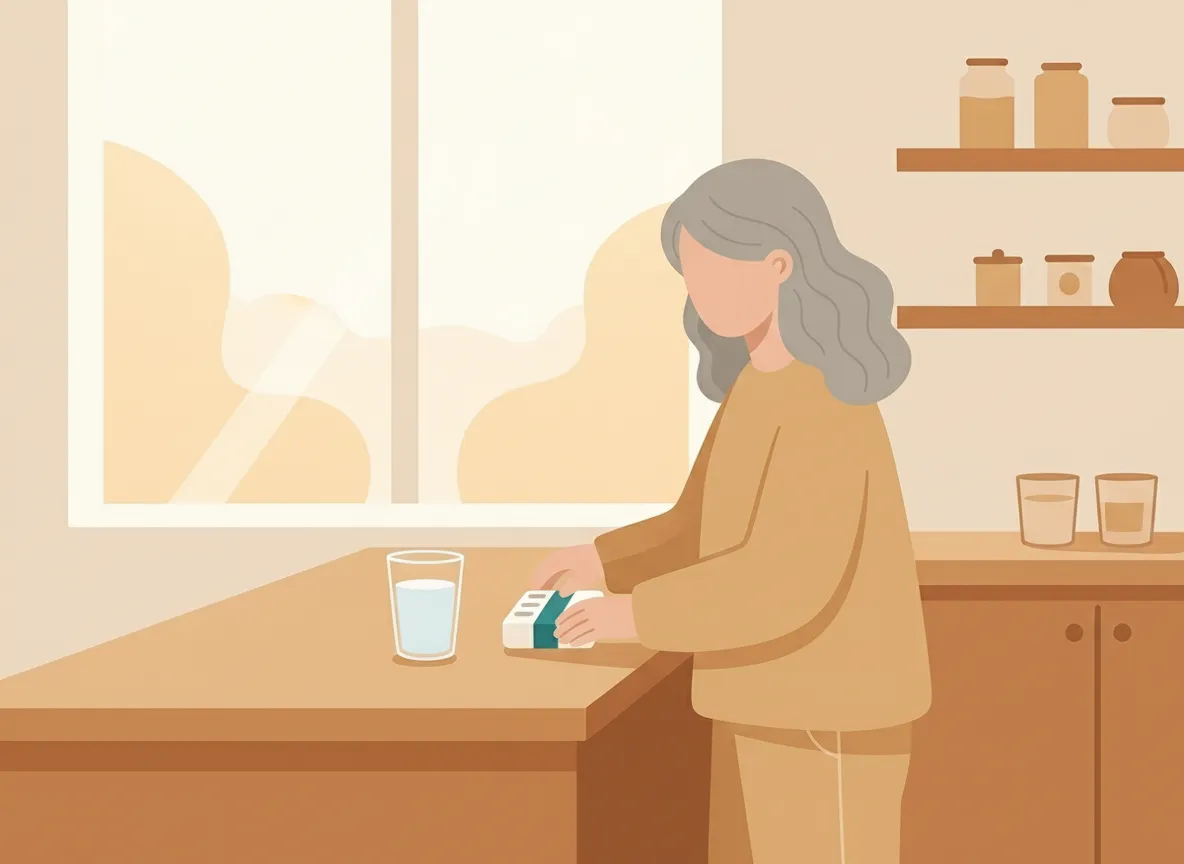
Non-opioid pain relief after surgery
How people manage pain after anal surgery without relying solely on opioids — practical strategies, alternative approaches, and what helps most.
Read experience →
Pilonidal open wound healing
A composite experience of recovering from pilonidal sinus surgery with an open wound — the daily packing, the slow progress, and the gradual return to normal.
Read experience →
Returning to work after anal surgery
Realistic timelines for returning to work after different types of anal surgery — what affects the timeline and how people manage the transition.
Read experience →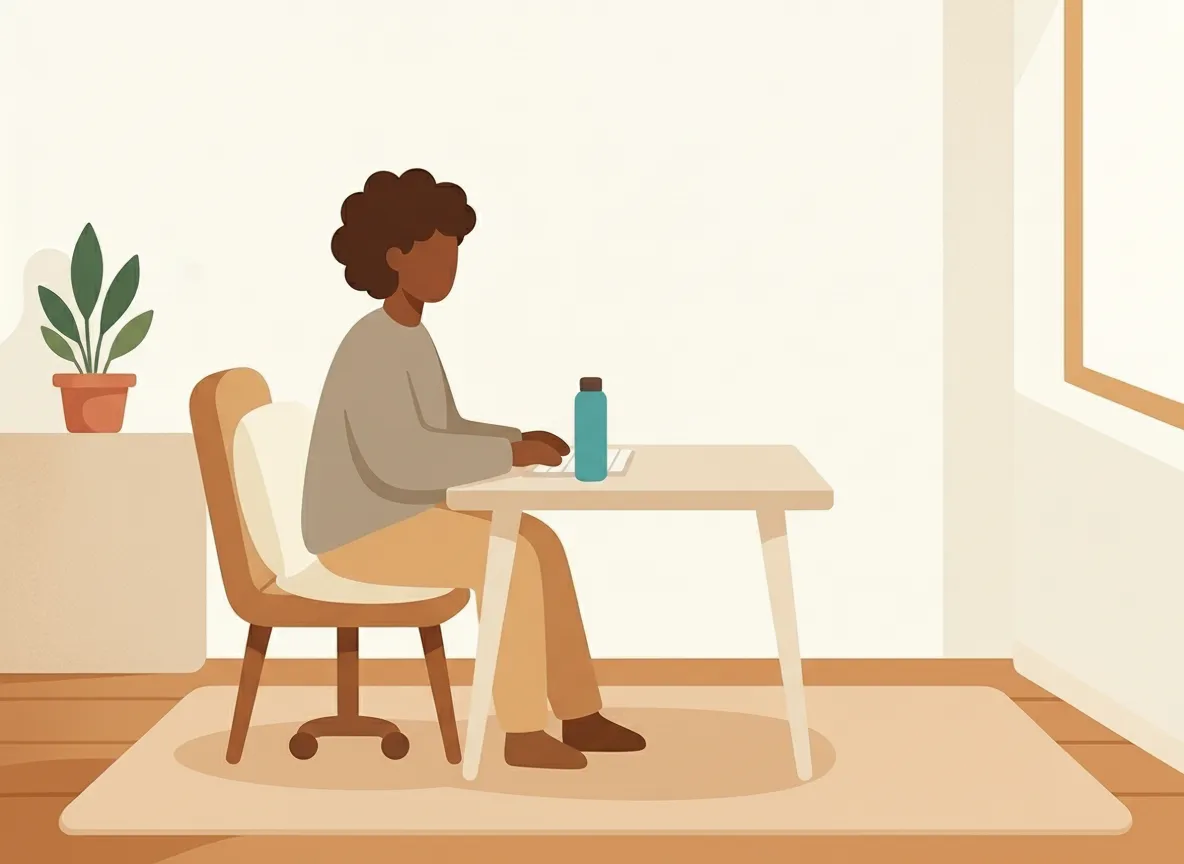
Ring cushion vs memory foam after surgery
What people describe about using ring cushions, memory foam, and other seating options during recovery from anal or colorectal surgery.
Read experience → Scar tissue after anal surgery
What people describe when scar tissue forms after anal surgery — the hard lump, tightening, when it becomes stenosis, and what helped.
Read experience →Sex after anal surgery: restarting
A composite account of what people experience when resuming sexual activity after anal surgery — timelines, concerns, and what people wish they had known.
Read experience → Sleeping after anal surgery
How people manage sleep in the days and weeks after anal surgery — positions, pain timing, the first few difficult nights, and when it gets easier.
Read experience →
Spinal anaesthetic for anal surgery
What spinal anaesthesia is actually like for anal surgery — the needle, the numbness, being awake, and the hours afterwards.
Read experience →
Walking after anal surgery
How soon people start walking after anal surgery, how far they go, and how they find the balance between rest and gentle movement during recovery.
Read experience →
What to wear after anal surgery
Practical clothing choices that people find make the biggest difference to comfort during recovery from anal surgery — from underwear to workwear.
Read experience → Wound healing by secondary intention
What people describe about wounds left open to heal from the inside out after anal surgery — the process, the timeline, and the daily reality.
Read experience → Wound infection after anal surgery
How people distinguish normal post-surgical healing from wound infection after anal surgery — the signs, the anxiety, and when they contacted their surgeon.
Read experience → Wound packing after anal surgery
A composite experience of wound packing after colorectal surgery — what it involves, how it feels, who does it, and the emotional toll of daily wound care.
Read experience →Common questions
How long does recovery from colorectal procedures usually take?
This varies significantly by procedure. Some people recover from banding within a few days. Open surgeries like hemorrhoidectomy or fistulotomy may take several weeks to months. Our procedure-specific guides cover typical timelines based on what people commonly report.
Is pain during the first bowel movement after surgery normal?
Most people describe the first few bowel movements as the most challenging part of recovery. Doctors typically recommend stool softeners, adequate hydration, and fiber to make this as manageable as possible. The discomfort usually improves significantly within the first week or two.
How do I know if my recovery is going normally?
Some pain, swelling, and light bleeding are generally expected in the early days. What matters most is the trend — things should gradually improve rather than get worse. Our guides include common recovery patterns, and the safety panel below lists signs that need medical attention.
When can I return to normal activities after a procedure?
This depends on the procedure and how your recovery progresses. Many people return to desk work within a week or two, while physical activities may take longer. Your doctor is the best source of guidance on timing for your specific situation.
What should I have ready at home before my procedure?
People commonly recommend having stool softeners, a sitz bath, comfortable cushions, loose clothing, and easy-to-prepare high-fiber meals ready before the day of your procedure. Our recovery guides include more detailed preparation checklists.
Related conditions
Hemorrhoids (piles)
Swollen blood vessels in or around the anus and rectum. One of the most common colorectal conditions.
Learn more →Anal fissure
A small tear in the lining of the anus, commonly causing sharp pain during and after bowel movements.
Learn more →Anal fistula
An abnormal tunnel between the inside of the anus and the skin nearby, often developing after an abscess.
Learn more →When to seek care
If you experience any of the following, seek urgent medical care:
- Heavier or persistent bleeding that is not settling or is increasing
- Fever or chills after a procedure
- Increasing pain that is not controlled by prescribed pain relief
- Foul-smelling discharge or pus from the wound area
- Inability to pass urine after a procedure
- Redness, warmth, or swelling that is spreading rather than improving
- No bowel movement for several days despite using stool softeners